Stop Keeping Everything In The Fridge
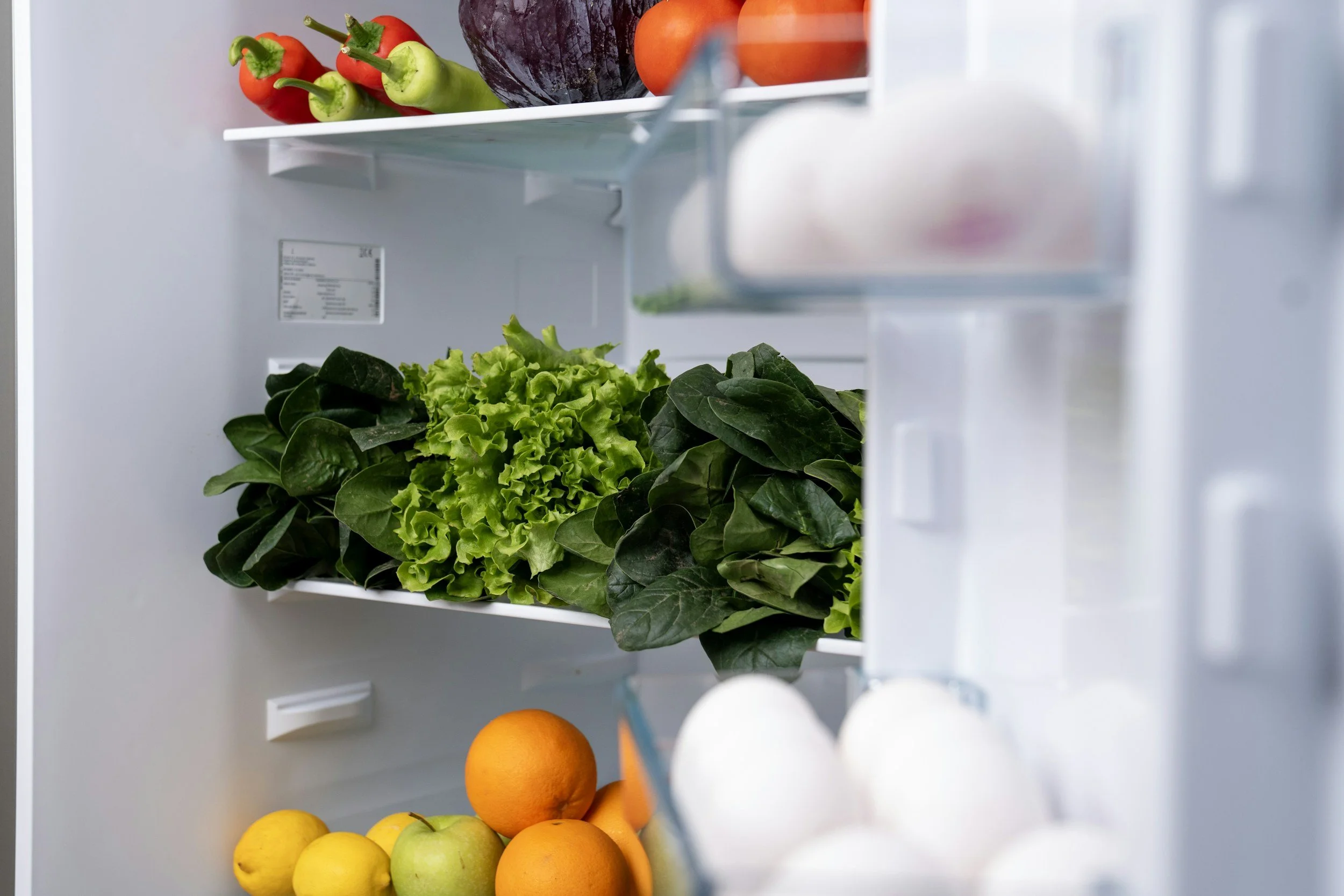
Stop Keeping Everything in the Fridge
You get home from the market with a bag full of beautiful produce, bread, cheese and other good things.
Then what? Does everything go in the fridge? Should you wash vegetables first? Should herbs stand in water? And what should you freeze before it ends up in the bin? How you store food can make an enormous difference to flavour, texture, how long it lasts and how much you waste. And the first surprise? Quite a lot of food doesn't need to be in your fridge at all.
What should you keep out of the fridge
TOMATOES → COUNTER Cold temperatures can dull the flavour of good tomatoes and affect their texture. How to store: Keep at room temperature, out of direct sunlight and not sealed airtight. Very ripe and not ready to eat them? Refrigerate to buy extra time, then bring towards room temperature before eating. A slightly soft tomato isn't necessarily a bad tomato. It may be exactly what you want for sauce.
BASIL → COUNTER + WATER Basil doesn't particularly like the cold and its leaves can blacken in the fridge. How to store: Trim the stems and stand in 2–3cm of water. Keep on the counter, out of strong direct sunlight, changing the water every day or two. Think flowers rather than salad leaves.
POTATOES → COOL + DARK + DRY Not the fridge. Not the windowsill. And not a sealed plastic bag. How to store: Somewhere cool, dark, dry and ventilated, in a paper bag, basket or breathable container. Don't eat green or bitter-tasting potatoes. And don't store potatoes right beside your onions.
ONIONS & GARLIC → COOL + DRY + VENTILATED Whole onions and garlic generally don't belong in the fridge. How to store: Somewhere cool, dry and well ventilated. A basket, mesh bag or open container is better than sealed plastic. Once cut, cover and refrigerate.
PEACHES, NECTARINES & PLUMS → COUNTER UNTIL RIPE How to store: Leave firm fruit loose at room temperature until ripe. Once ripe, refrigerate if you're not eating it straight away. Don't wash until you're ready to eat. And use your senses. A peach shouldn't just look ripe. It should smell like a peach.
BREAD → COUNTER OR FREEZER The fridge can actually make bread go stale faster. How to store: Keep bread you're eating over the next few days wrapped or in a bread bin. Not going to finish it? Slice it and freeze it. Toast straight from frozen.
BUTTER → A LITTLE CAN STAY OUT How to store: Keep a small amount for short-term use in a covered butter dish, somewhere cool and away from sunlight and heat. Salted butter is generally better suited to this than unsalted butter. If your kitchen is warm, refrigerate it. Keep the rest in the fridge or freezer. Butter freezes brilliantly.
APPLES → FRUIT BOWL OR FRIDGE Eating them soon? Apples can live happily in the fruit bowl. Want them to last considerably longer? Refrigerate them. Apples produce ethylene, which speeds ripening, so be aware of what you store beside them.
AUBERGINES → COOL ROOM IF USING SOON If your kitchen is reasonably cool and you're using one soon, it can stay out. Otherwise, keep it loosely bagged in the vegetable drawer and use it soon. Buy them fresh and eat them soon.
What should you put in the fridge?
PARSLEY & CORIANDER → WATER Trim the stalks and stand upright in 2–3cm of water. Loosely cover the leaves with a bag and refrigerate. Change the water every couple of days. The stalks want water. The leaves don't.
LETTUCE & SALAD LEAVES → DRY How to store: Refrigerate in a container or bag. If washed, dry really thoroughly and add clean kitchen paper to absorb excess moisture. Wilted but not spoiled? Put in very cold water for 10–20 minutes to help restore the crunch.
BOK CHOI & TATSOI → LOOSE BAG Keep in the vegetable drawer in a loose or perforated bag. Don't wash before storing unless you dry them extremely well. Ideally wash just before cooking.
CAULIFLOWER → LOOSELY WRAPPED Keep refrigerated, reasonably dry and loosely wrapped or bagged. Leave the protective outer leaves attached until needed. And those leaves aren't packaging. They're edible. Roast with olive oil, salt and spices until browned and crisp.
RADISHES → TOPS OFF Remove leafy tops because they continue drawing moisture from the radishes. Keep the roots refrigerated in a bag or container, unwashed until needed. Use the leaves in pesto, soups or like other greens. Floppy radishes? Soak in very cold water for 15–30 minutes.
FENNEL → LOOSELY WRAPPED Remove the stalks and fronds and store separately. Keep the bulb loosely wrapped or bagged in the vegetable drawer. Use the fronds like a herb with fish, tomatoes, potatoes, pasta and salads. Tougher stalks can flavour stock.
PEPPERS → DRY Keep whole peppers dry and unwashed in the vegetable drawer. Once cut, refrigerate in a covered container. Slightly wrinkled? They're still excellent roasted, grilled or cooked into sauces. Got too many? Slice and freeze for cooking.
CHILLIES → FRIDGE OR FREEZER Here's an easy one. Keep fresh chillies dry in the fridge, or freeze them whole, straight from fresh. No blanching required. Grate, slice or chop them straight from frozen when cooking.
CELERY → WRAPPED Refrigerate wrapped or in a bag/container to reduce moisture loss. Gone limp? Stand the stalks in 2–5cm of very cold water for 20–30 minutes. And use the leaves in salads, soups, stocks, salsa verde or gremolata.
SPRING ONIONS → SLIGHT MOISTURE Wrap loosely in slightly damp kitchen paper and place in a bag or container. Or stand the roots in 1–2cm of water, loosely cover and refrigerate. Roots in the water. Not half the spring onion.
CARROTS → TOPS OFF Remove leafy tops before storing. Keep carrots in the vegetable drawer in a bag or container to prevent them drying out. Leave unwashed until needed. Use the tops for pesto, salsa verde or green sauces.
SWEETCORN → HUSKS ON Keep refrigerated, ideally with the husks attached, and don't peel until you're ready to cook. Fresh sweetcorn's sugars gradually convert into starch after harvest, so: Eat fresh sweetcorn while it's fresh. And stripped cobs make excellent stock.
MUSHROOMS → PAPER Don't trap mushrooms in a sweaty airtight plastic bag. Refrigerate in a paper bag or packaging that allows airflow, and don't wash until you're ready to cook them.
BERRIES → DRY Refrigerate dry and unwashed, ideally in a ventilated punnet or container. Remove mouldy or damaged berries and wash only when you're ready to eat them. Too many? Freeze them for smoothies, compotes, crumbles and sauces.
EGGS → COOL & CONSISTENT In the UK, eggs aren't usually refrigerated in shops. At home, the important thing is keeping them at a cool, consistent temperature. If your kitchen gets warm, the fridge is a good option. Keep in their original box and, if refrigerated, preferably on a shelf rather than the fridge door.
CHEESE → FRIDGE, BUT LET IT BREATHE Keep cheese refrigerated and properly wrapped. Cheese paper is ideal; baking parchment or waxed paper with a loose outer wrapping also works for many cheeses. Can you freeze cheese? Harder cheeses can be frozen, although they may become more crumbly. That's usually fine for grating, sauces and cooking. Delicate soft cheeses don't freeze nearly as well.
CHARCUTERIE → FRIDGE Once sliced or opened, keep cured meats such as salami, prosciutto and ham well wrapped or in a sealed container in the fridge. Whole traditionally cured products can have different storage requirements, so ask the producer. Many sliced cured meats can also be frozen. Portion, wrap well and thaw in the fridge.
Freeze it before you waste it
The freezer isn't where food goes when you've finally given up on it. It's one of the best tools for preventing food waste in the first place.
Chillies → freeze whole
Herbs → chop and freeze for cooking
Peppers → slice and freeze
Berries → freeze for smoothies, sauces & crumbles
Ripe fruit → slice and freeze
Tomatoes → freeze for sauces & cooking
Broccoli & cauliflower → blanch briefly first
Carrots → blanch first
Leafy greens → blanch, cool & freeze
Sweetcorn kernels → freeze for cooking
Stocks & sauces → freeze in useful portions
Hard cheese → freeze for cooking or grating
Charcuterie → portion, wrap well & freeze
Butter → freezes brilliantly
Bread → slice & freeze
The important rule: FREEZE FOOD WHILE IT'S STILL GOOD. Don't wait until something is already on its last legs and expect the freezer to perform culinary CPR. Label it. Date it. Portion it.
The Bigger Picture: Stopping Food Waste
Food waste doesn't only happen because we buy too much. Sometimes we simply store good food badly. We refrigerate things that don't like the cold, leave things warm that want to be cold, or trap moisture where we don't want it. . Then we wonder why the beautiful food we bought has become limp, slimy, stale or tasteless.
Knowing how to store food means better flavour, longer life, less waste, better value.
The advantage to buying directly from growers and producers is that you can ask them. When you're at Brook Green Market this Saturday, try asking: "What's the best way to store this when I get home?"