9 Herbs Every Home Cook Should Know
9 Herbs Every Home Cook Should Know
Fresh herbs are one of the simplest ways to transform your cooking. They add freshness, aroma and depth of flavour, turning a good dish into a great one.
But the secret isn't just knowing which herb to use, it's knowing when to add it.
Some herbs are best stirred in at the last minute, while others need time to slowly infuse a dish as it cooks. Here's Brook Green’s guide to nine herbs every home cook should know.
-
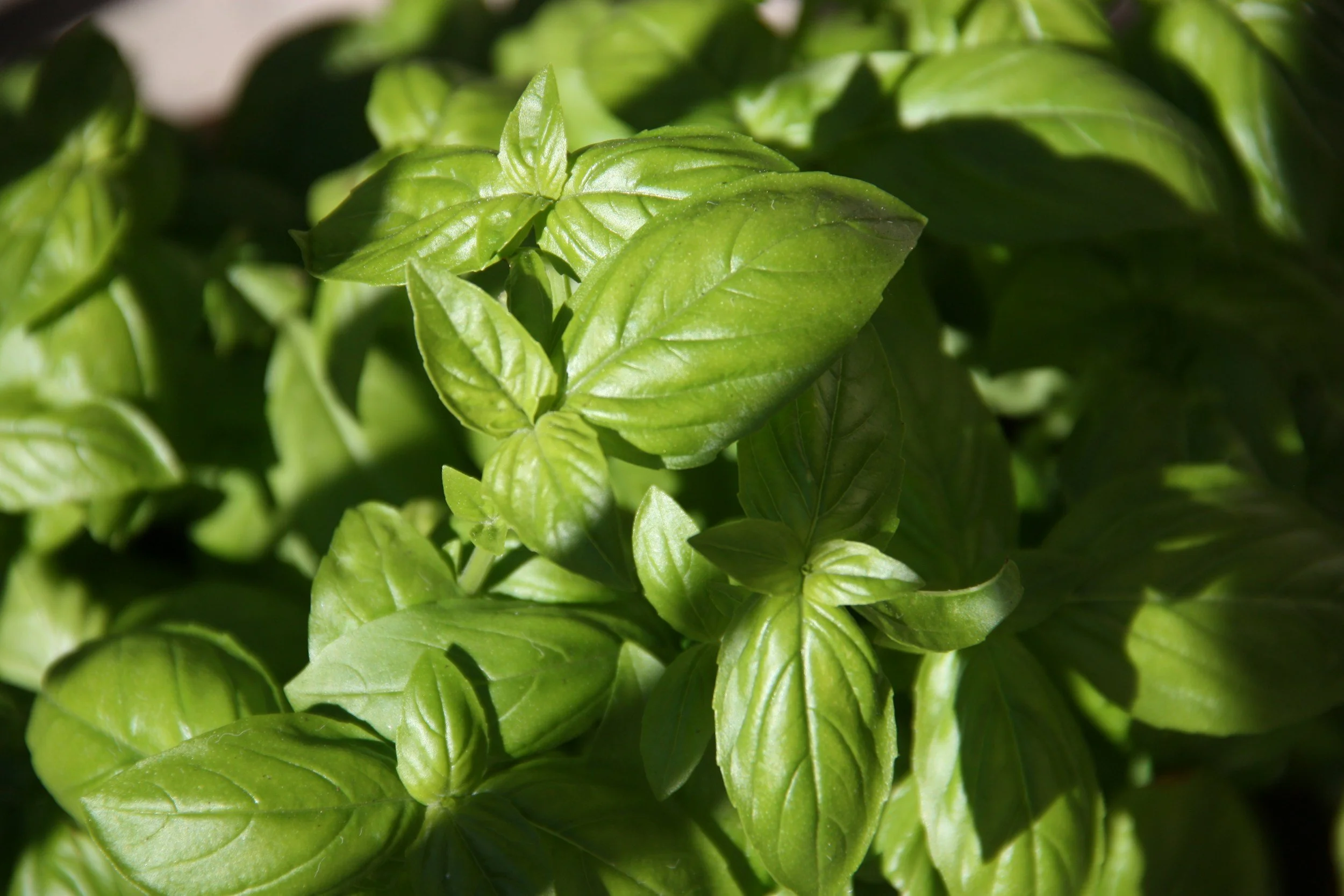
DesSweet, fresh and unmistakably summery.
Perfect with tomatoes, mozzarella, pasta, pizza, chicken, strawberries and peaches.
How to use it: Tear the leaves over your dish just before serving or stir them through a tomato sauce at the very end of cooking. Basil loses much of its flavour if cooked for too long.
Chef's tip: Basil and tomatoes are a classic pairing, but it also works beautifully with fresh peaches or strawberries. cription text goes here
-
Fresh, clean and slightly peppery.
Perfect with fish, chicken, roast potatoes, pasta, salads and garlic butter.
How to use it: Finely chop and stir through pasta, scatter over grilled meat or fish, or mix into butter and dressings just before serving.
Chef's tip: Chop parsley with garlic, lemon zest, olive oil and capers to make a simple salsa verde for grilled meat or fish.
-
Bright, citrusy and aromatic.
Perfect with Indian, Thai, Mexican and Vietnamese dishes, as well as chickpeas, avocado and lime.
How to use it: Scatter over curries, tacos and stir-fries just before serving. Finely chopped stalks can also be cooked into curries and sauces for extra flavour.
Chef's tip: Fresh coriander is essential for homemade guacamole or salsa.
-
Fresh with a delicate aniseed note.
Perfect with salmon, mackerel, trout, potatoes, cucumber, beetroot and yoghurt.
How to use it: Stir into potato salads, yoghurt dressings and sauces just before serving, or sprinkle over cooked fish.
Chef's tip: Mix dill with Greek yoghurt, garlic, lemon juice and a pinch of salt for a simple sauce that's perfect with grilled fish.
-
Cool, fresh and vibrant.
Perfect with lamb, peas, courgettes, watermelon, strawberries and yoghurt.
How to use it: Tear over salads, stir through buttered peas or scatter over grilled lamb once it's rested.
Chef's tip: Fresh mint adds a wonderful lift to grain salads and new potatoes.
-
Earthy, savoury and gently floral.
Perfect with roast chicken, beef, lamb, mushrooms, potatoes, root vegetables and tomato sauces.
How to use it: Add whole sprigs at the beginning of roasting or slow cooking so the flavour infuses the dish. Remove the stems before serving.
Chef's tip: Roast chicken with thyme, garlic and lemon for a simple combination that always delivers.
-
Bold, piney and wonderfully aromatic.
Perfect with lamb, roast potatoes, steak, chicken, pork and barbecued vegetables.
How to use it: Strip the leaves from the stems, chop finely and add to marinades or roasting trays before cooking.
Chef's tip: Rosemary, garlic and olive oil are all you need to make unforgettable roast potatoes.
-
Warm, earthy and Mediterranean.
Perfect with Pasta sauces, pizza, Greek-style chicken, lamb, tomatoes, halloumi and roasted vegetables.
How to use it: Add the leaves to marinades before cooking or stir into tomato sauces during the last few minutes. It's also delicious scattered over pizza or Greek salads before serving.
Chef's tip: Marinate chicken with olive oil, garlic, lemon and oregano before grilling for a classic Greek-inspired dish.
-
Mild, fresh and gently onion-like.
Perfect with: Eggs, potatoes, smoked salmon, cream cheese, butter and soups.
How to use it: Snip over dishes just before serving to keep their delicate flavour.
Chef's tip: Stir chopped chives into softened butter and melt over grilled vegetables, steak or baked potatoes.
Herb Tips Every Cook Should Know
Soft herbs such as basil, parsley, coriander, dill, mint and chives are usually best added at the end of cooking to keep their fresh flavour.
Woody herbs such as thyme and rosemary are happiest at the beginning of cooking, allowing them to slowly infuse the dish.
Use the stalks too.
Tender stalks from parsley, coriander and dill are packed with flavour and can be finely chopped into soups, curries, sauces and dressings.
For woody herbs like rosemary and thyme, strip the leaves from the stems before using. The stems can be added to stocks or roasting trays for extra flavour, then removed before serving.
Store herbs properly.
Most herbs keep best wrapped loosely in slightly damp kitchen paper in the fridge. Basil is the exception. Keep it at room temperature, away from direct sunlight.
Don't waste leftovers.
Chop herbs and freeze them in ice cube trays with olive oil. They're perfect for adding straight into soups, sauces and stews. Fresh herbs are one of the easiest ways to cook with more confidence and bring simple ingredients to life.
If you're visiting Brook Green Market this Saturday, have a chat with our growers. They'll be happy to recommend which herbs pair best with the seasonal fruit, vegetables, fish and meat available on the day. Sometimes, the smallest ingredient makes the biggest difference.
Return to KNOW YOUR FOOD